Iran's New Threat: Why Gulf Civilian Hubs Face Missile Attacks
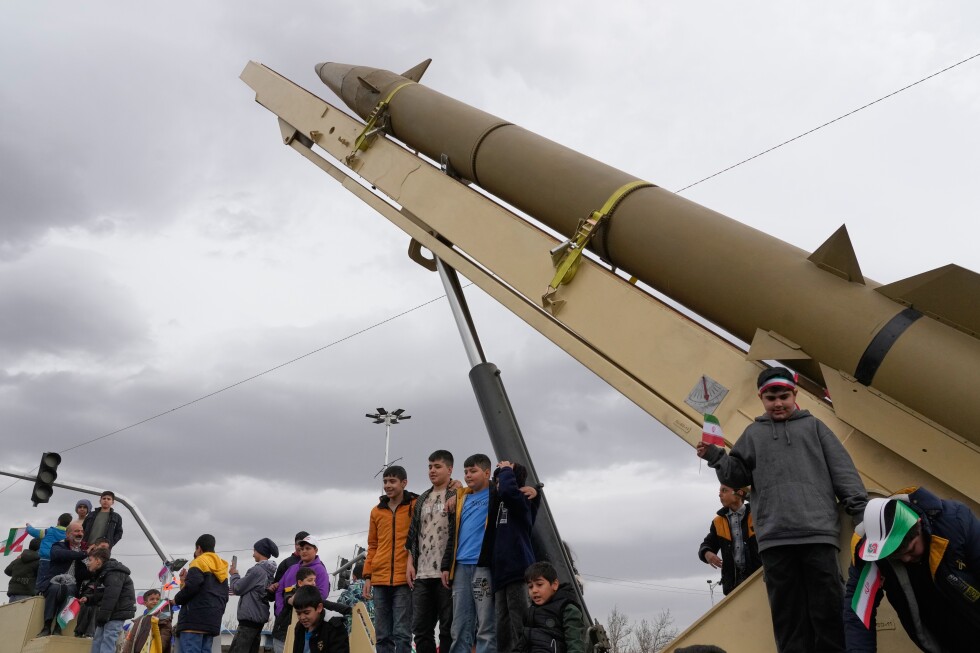
The clear, often serene skies above the opulent cities of the Persian Gulf, once synonymous with boundless opportunity, luxury tourism, and global commerce, are now witnessing a disturbing transformation. White contrails, no longer belonging to incoming passenger jets, increasingly signify the arrival of ballistic missiles and drones – harbingers of a dangerous new chapter in regional geopolitics. Iran's latest wave of retaliatory strikes, following actions by American and Israeli forces, has alarmingly shifted its focus, directly impacting U.S. allies and their vital civilian infrastructure. This unprecedented targeting has ignited serious concerns about regional stability and the inherent vulnerability of highly urbanized, economically critical areas. The recent surge in what can only be described as *alliés américains attaques* (attacks on American allies) marks a concerning turning point, demanding a deeper understanding of its causes and consequences.
The Escalating Threat: Gulf Civilian Hubs on the Frontline
Recent events have laid bare a startling reality: Gulf states are bearing the brunt of Iran's expanded retaliatory strategy. The U.S. Embassy in Riyadh was targeted by drones, resulting in limited damage, prompting immediate safety advisories for American citizens. Simultaneously, cities like Abu Dhabi and Bahrain have experienced a barrage of sophisticated assaults. The UAE’s defense ministry reported dealing with hundreds of incoming ballistic missiles, cruise missiles, and drones, painting a vivid picture of a region under siege. In Bahrain, residents have recounted sleepless nights filled with "huge bangs and wailing sirens," with reports of multiple hits near key civilian sites like airports.
What distinguishes these latest *alliés américains attaques* is the explicit targeting of non-military sites. While Iran's Foreign Minister Abbas Aragchi maintains that Tehran is primarily targeting the U.S. presence in these countries, not their neighbors, the reality on the ground tells a different story. State-of-the-art airport departure terminals, luxury hotels, sprawling shopping malls, and high-rise apartment blocks are now sporadically falling victim to direct hits or collateral damage from intercepted missile debris. This strategic shift underscores a calculated move to inflict broader economic and psychological pressure on U.S. partners in the region, blurring the lines between military objectives and civilian impact.
Unprepared Infrastructures: A New Urban Battlefield
The inherent challenge for Gulf civilian hubs lies in their very design. Cities like Dubai, Abu Dhabi, and Doha were meticulously planned and constructed during an era of relative regional peace, prioritizing economic growth, tourism, and expatriate comfort. Their gleaming skylines and sprawling urban landscapes were never conceived with the prospect of becoming targets for advanced drone and ballistic missile attacks. This architectural and urban planning philosophy now presents a critical vulnerability.
Unlike hardened military installations or historical conflict zones, modern Gulf cities lack widespread, integrated civilian shelters or robust, layered air defense systems specifically designed to protect sprawling residential and commercial areas from a constant barrage. While these nations possess advanced air defense capabilities, their effectiveness against a high volume of diverse threats (drones, cruise missiles, ballistic missiles) over vast urban areas is now being tested. Gaps inevitably appear, allowing some projectiles to strike. The debris from intercepted missiles also poses a significant threat, raining down on populated areas and causing accidental but severe damage. These *alliés américains attaques* fundamentally redefine the concept of security for millions of residents and visitors, challenging the very foundation of Gulf prosperity and peace.
Geopolitical Implications and Regional Instability
The decision by Iran to target U.S. allies in the Gulf stems from a clear perception of their complicity in U.S.-Israeli actions. Despite efforts by Gulf states to signal their neutrality, their long-standing military and strategic partnerships with Washington have made them targets. This dynamic places these nations in an unenviable position, forcing them to navigate a dangerous tightrope between maintaining crucial alliances and safeguarding their populations and economies.
The immediate implications are profound. For American citizens in the region, advisories from the U.S. Embassy, recommending "shelter in place" or even "DEPART NOW" from a dozen Middle Eastern countries due to "serious safety risks," highlight the severity of the threat. Beyond immediate safety, these *alliés américains attaques* threaten to unravel years of investment in building stable, attractive economic environments. Foreign direct investment, crucial for diversification away from oil, could falter. The burgeoning tourism sector, a cornerstone of many Gulf economies, faces an existential crisis if the region is perceived as an active conflict zone. The psychological toll on residents, particularly expatriates who form a significant portion of the workforce, is immense, potentially leading to an exodus of talent and capital.
The broader geopolitical consequence is an intensification of regional instability. The Gulf has long been a flashpoint, but the direct targeting of civilian centers escalates the conflict beyond proxy wars, increasing the risk of miscalculation and direct confrontation. Understanding the multifaceted nature of these *alliés américains attaques* is crucial for any strategy aimed at de-escalation and restoring stability.
Practical Steps and Advice for Enhanced Safety
In this heightened state of alert, vigilance and preparedness are paramount for anyone living in or traveling to the affected Gulf states.
*
Stay Informed: Regularly consult official government advisories from your home country's embassy and local authorities. These are often the most up-to-date sources of information regarding safety and security.
*
Emergency Planning: Develop a family or personal emergency plan. Identify safe rooms within your residence, know evacuation routes, and assemble a 'go-bag' with essential documents, medication, water, and non-perishable food.
*
Heed Warnings: If sirens sound or official warnings are issued, take them seriously. Seek shelter immediately, preferably in an interior room away from windows.
*
Avoid Sensitive Areas: Steer clear of military installations, government buildings, and other potential targets. This includes diplomatic missions, which have unfortunately proven vulnerable.
*
Travel Advisories: Non-essential travel to affected areas should be reconsidered or postponed. If travel is necessary, ensure you have comprehensive travel insurance and are aware of exit strategies.
*
Community Networks: Connect with local community groups or embassy registration services to ensure you receive timely updates and support.
For further detailed insights into the regional challenges and defense responses, you may find valuable information in our related articles:
Gulf States Under Siege: Iran Targets US Allies' Cities and Defenses and
Iran Strikes US Embassy in Riyadh, Expands Attacks on Allies.
Conclusion
The shift in Iran's targeting strategy, directly impacting the civilian hubs of U.S. allies in the Gulf, represents a dangerous and unprecedented escalation. These *alliés américains attaques* have not only inflicted damage but have also shattered the illusion of impenetrable security for cities built for prosperity, not war. The vulnerability of these highly urbanized environments, coupled with their critical economic importance, poses a profound challenge to regional stability and global security. As the geopolitical tensions continue to simmer, the international community, along with the Gulf states themselves, must urgently seek diplomatic pathways to de-escalate the conflict while simultaneously bolstering defenses and adapting urban resilience strategies to protect against this new and evolving threat. The future of security and prosperity in the Gulf hinges on a robust, multi-faceted response to this alarming development.